Health and Safety Policy for Lewisham Removals
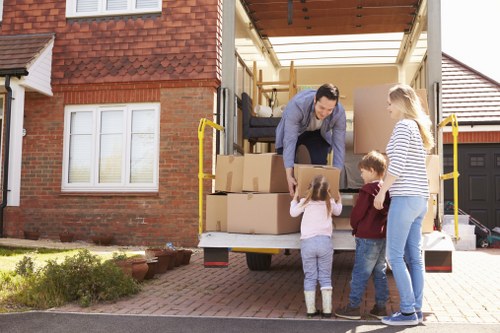 At Lewisham Removals, health and safety is central to every part of our moving service. We are committed to carrying out removals in a way that protects our team, our customers, visitors, and any third parties who may be affected by our work. This policy sets out the principles we follow to reduce risk, maintain safe working practices, and ensure each move is handled with care, professionalism, and attention to detail.
Our approach to removals safety is based on planning, supervision, and good communication. Every relocation presents different hazards, from lifting heavy furniture to navigating stairs, tight hallways, and loading areas. We take time to assess the situation before work begins so that risks can be identified and controlled. This helps us keep the moving process efficient while protecting people and property.
 We expect all staff involved in removal operations to follow safe systems of work at all times. That includes using equipment correctly, staying alert to changing conditions, and reporting any concern immediately. Safety is not treated as a separate task; it is built into every stage of the job, from preparation and packing through to transport and unloading.
Our Safety Commitments
Lewisham Removals will provide and maintain a safe working environment so far as is reasonably practicable. We aim to prevent injury, reduce property damage, and minimise disruption through sensible planning and responsible conduct. All reasonable precautions are taken to ensure work is performed safely, and no task is carried out unless it can be completed under controlled conditions.
We are committed to complying with relevant health and safety requirements and applying industry best practice across all operations. This includes selecting suitable equipment, maintaining vehicles in good condition, and ensuring that all tools and handling aids are used appropriately. We also recognise that safe working depends on cooperation, so everyone is expected to support a culture where hazards are identified early and addressed promptly.
 Risk awareness is especially important during domestic and commercial removals, where the layout of premises can vary significantly. Narrow corridors, awkward furniture, fragile items, and parking constraints can all create challenges. By assessing these factors in advance, we can plan the safest route, choose the right lifting method, and reduce the likelihood of incidents during the move.
Responsibilities and Safe Working Practices
Managers and supervisors are responsible for setting clear expectations, monitoring standards, and making sure tasks are allocated to suitably trained staff. They must ensure that workers have the information and equipment needed to do their job safely. Employees, in turn, must take reasonable care of themselves and others, follow instructions, and avoid unsafe behaviour.
All members of the team are expected to use correct manual handling techniques, including lifting with a straight back, bending at the knees, and avoiding twisting movements. When an item is too heavy, bulky, or awkward to move safely by hand, the team should use mechanical aids or ask for assistance. Good manual handling reduces the risk of strains, sprains, and long-term injury.
We also require careful handling of fragile, valuable, and specialist items. Packing materials should be suitable for the item being moved, and objects must be secured properly during transit. At the centre of our health and safety policy is the belief that prevention is better than correction, and that careful preparation helps protect both the workforce and the customer’s belongings.
Training, Equipment, and Communication
Training is an essential part of our commitment to safe removals services. Staff receive instruction in manual handling, safe loading, hazard awareness, and the correct use of removal equipment. Where necessary, additional training is provided for specialist tasks so that workers can carry them out competently and confidently.
We ensure that vehicles and equipment are checked regularly to confirm they remain safe and fit for purpose. Any defect, damage, or missing item must be reported immediately and the equipment removed from use until it has been inspected and, if needed, repaired or replaced. This helps prevent avoidable accidents and supports reliable day-to-day operations.
Clear communication is vital during every move. Before work begins, the team should understand the plan, the order of tasks, and any site-specific hazards. During the job, workers should keep each other informed about obstacles, weight limits, or changes in conditions. Effective communication supports safe coordination and helps reduce confusion when work is carried out under time pressure.
Incident Reporting and Review
 If an accident, near miss, or unsafe situation occurs, it must be reported as soon as possible so that the issue can be investigated and appropriate action taken. Reporting helps us understand what happened, why it happened, and how similar events can be prevented in future. We treat every report seriously, regardless of how minor it may appear.
Following an incident, we review the circumstances and update our practices where necessary. This may include additional training, revised procedures, or the introduction of better equipment. By learning from experience, Lewisham Removals continues to improve its standards and strengthen its safety culture over time.
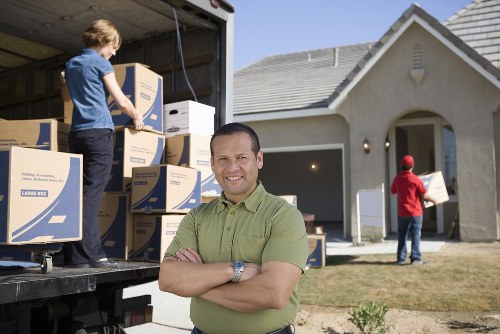 This policy is reviewed regularly to ensure it remains effective and appropriate for the work we carry out. Our aim is simple: to provide a safe, reliable, and professional removals service where health and safety is treated as a shared responsibility. By staying vigilant, prepared, and committed to best practice, we protect people, property, and the quality of every move we complete.